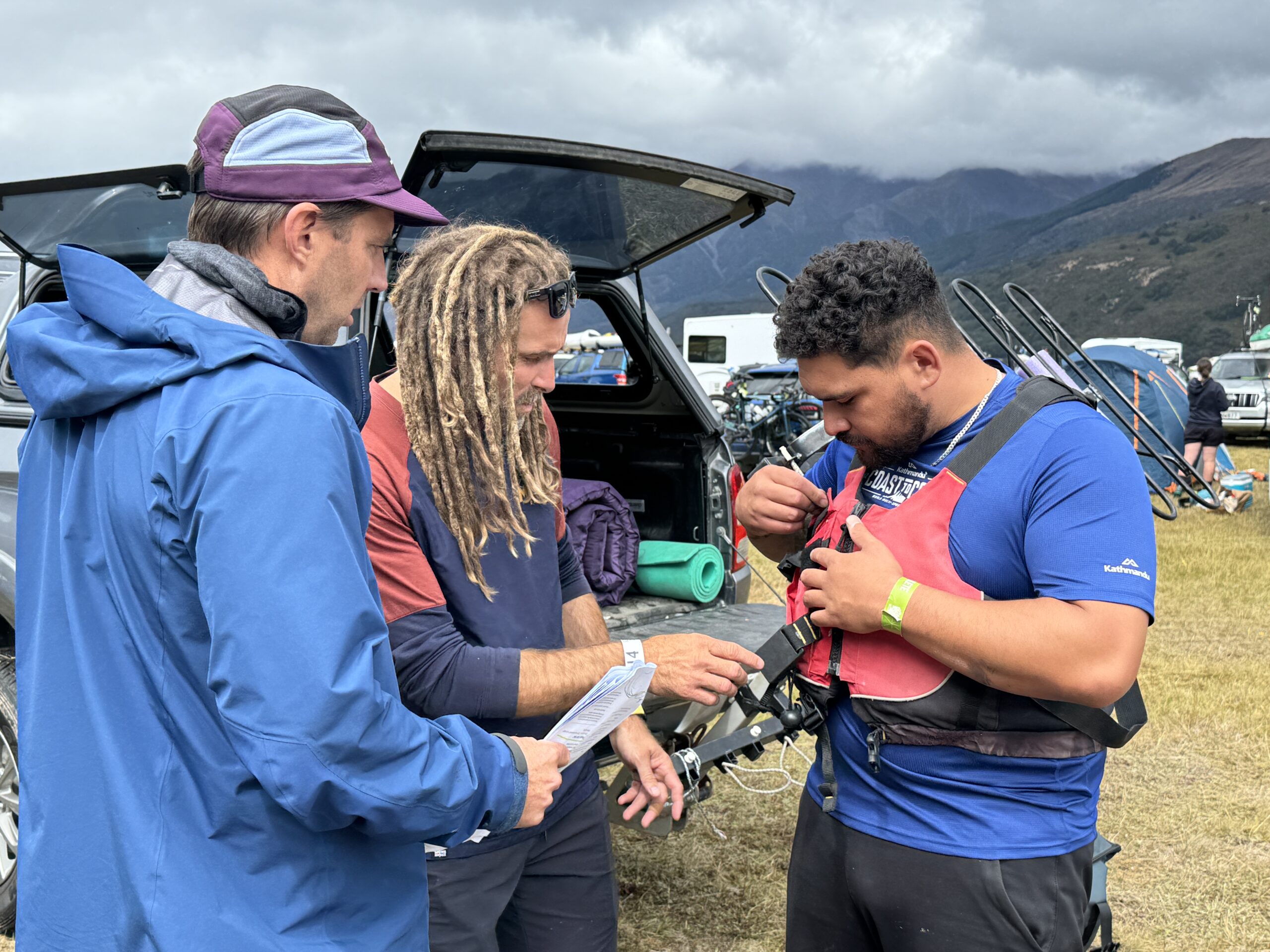
The people behind adventure therapy
What makes the Waipuna adventure therapy model work? New research commissioned by St John of God Hauora Trust goes inside the programme to examine the therapeutic framework, the approach of the kaimahi, and the elements that participants and former participants say made the most difference.
A different kind of therapy
Adventure therapy is not recreational outdoor education. It is a structured therapeutic approach that uses challenge-based activities in the natural environment to create conditions for genuine growth, personal discovery, emotional development, and lasting behaviour change.
Multiple international meta-analyses confirm positive impacts on self-esteem, self-efficacy, self-awareness, confidence, and reductions in delinquency.
Waipuna has been delivering adventure therapy continuously for 25 years, since May 1999. The research identifies this sustained institutional experience as a significant strength: practitioners who have developed and refined their approach over time, in a consistent setting with consistent values.
What happens in a session
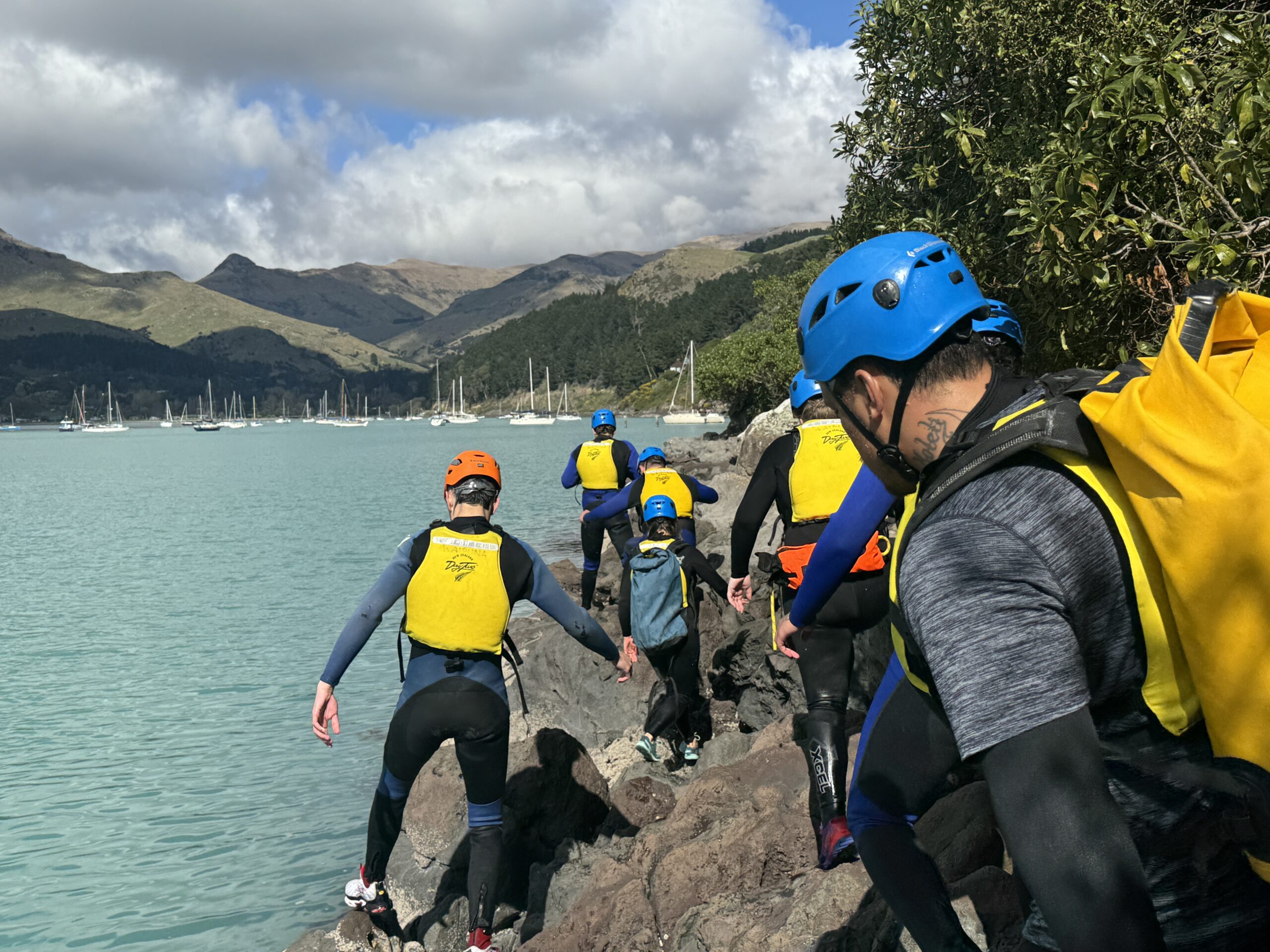
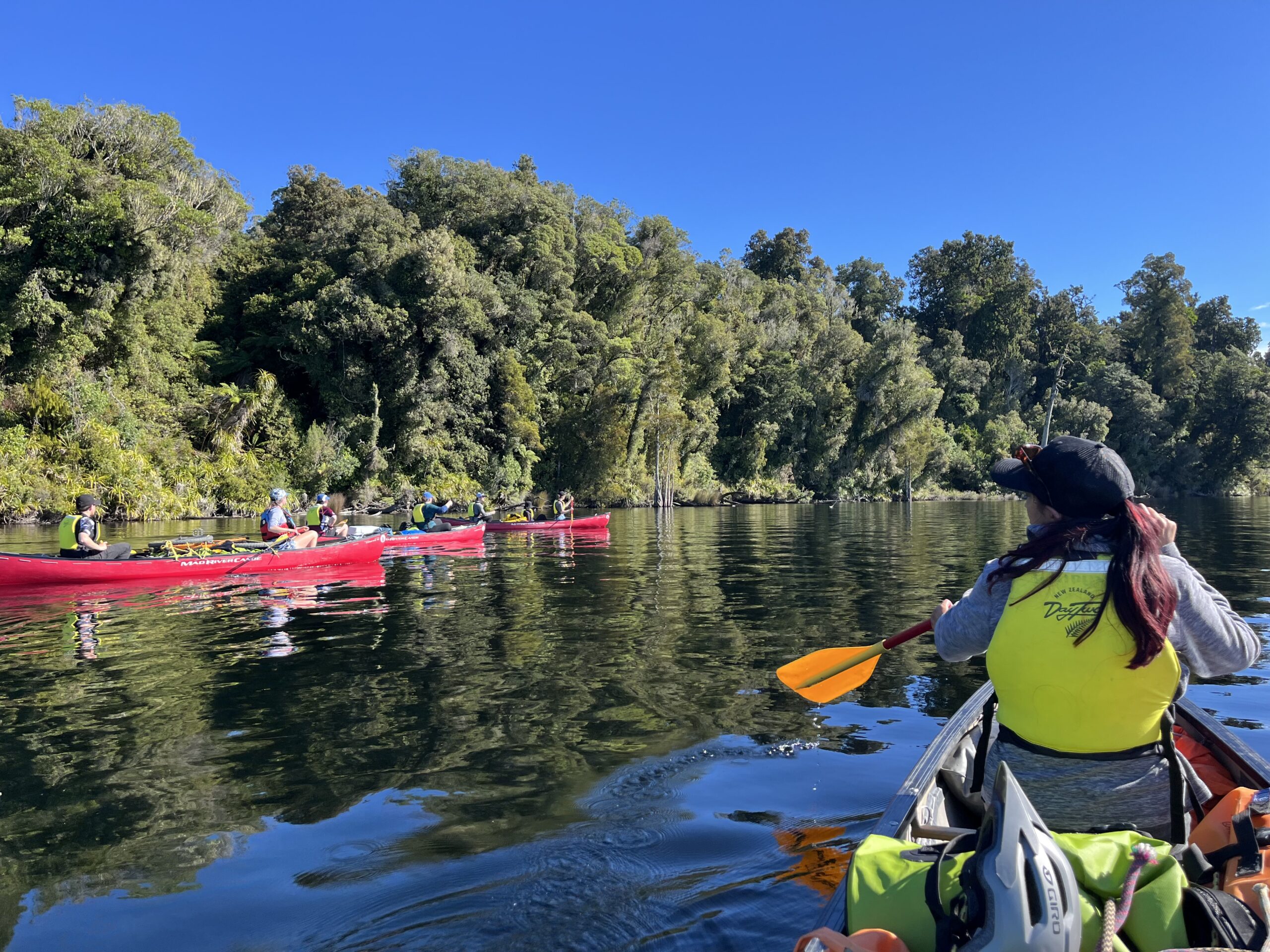
Programmes run for 10 weeks. Activities vary but have included tramping, kayaking, coasteering, mountain biking, abseiling, surfing, snowboarding, and multi-day events including the Coast to Coast race.
Each activity is deliberately chosen to create challenge, physical, mental, and social, in a supported environment. Staff facilitation is central. Before and after each activity, kaimahi support participants to make sense of what they are experiencing, connect their responses to patterns in their lives, and identify what they want to take forward. This reflective process is where the therapeutic work happens.
“You know, it’s a must have. Because you won’t build that relationship inside a room. For me, I feel like yes, you can build a relationship inside a room, but not the adventure. That’s when you can get someone’s true self, through adventure.”
The staff model
The research documents that staff across the programme hold different personalities deliberately, enabling them to connect with a wider variety of participants.
Former participants consistently describe staff as genuine, warm, and skilled. Many describe encounters with staff whose personal stories they could relate to.
Short-term outcome assessments showed strongest results in three areas: growth in confidence (average 4.2 out of 5), enhanced capacity for reflection (4.1), and increased physical activity (4.1).
“They all, like, they were all easy to get along with. They’re all slightly different personalities. So that could reach a wider variety of people and get a wider variety of people to feel more comfortable.”
A bicultural practice
The research notes that bicultural practice has strengthened meaningfully over time within the Waipuna model, with values of manaakitanga and kaitiakitanga particularly well embedded.
Participants describe feeling their culture was respected. Karakia is included in sessions. Former Māori participants describe Waipuna as a place where people who feel disconnected from their culture are more likely to engage.
The research also identifies areas for continued development, including ensuring all use of te reo Māori is clearly explained and mana-enhancing, employing a tuakana-tēina approach within groups, and placing greater emphasis on sharing the cultural narrative of places where activities are delivered.
What participants say about safety
Physical and emotional safety emerged as a strong theme in interviews. Participants described feeling genuinely safe, to let their guard down, to be honest, to be themselves.
The tikanga of the programme creates a neutral environment where conflicts from outside are left at the door.
“I felt safe in every way. You could trust what you said to them. When we were doing the activities, you felt safe in their guidance because they seemed quite capable and trained.”
The research was conducted under ethics approval from the Aotearoa Research Ethics Committee (AREC25_10).
Summary Report
A summary of the independent impact research into Waipuna's adventure therapy programme, covering outcomes and findings from the 2023 to 2026 reporting period.
Social Impact Report 2025
Our full impact report measuring outcomes, reach and the difference our Adventure Therapy services made for people and whānau across Aotearoa.
Impact Report →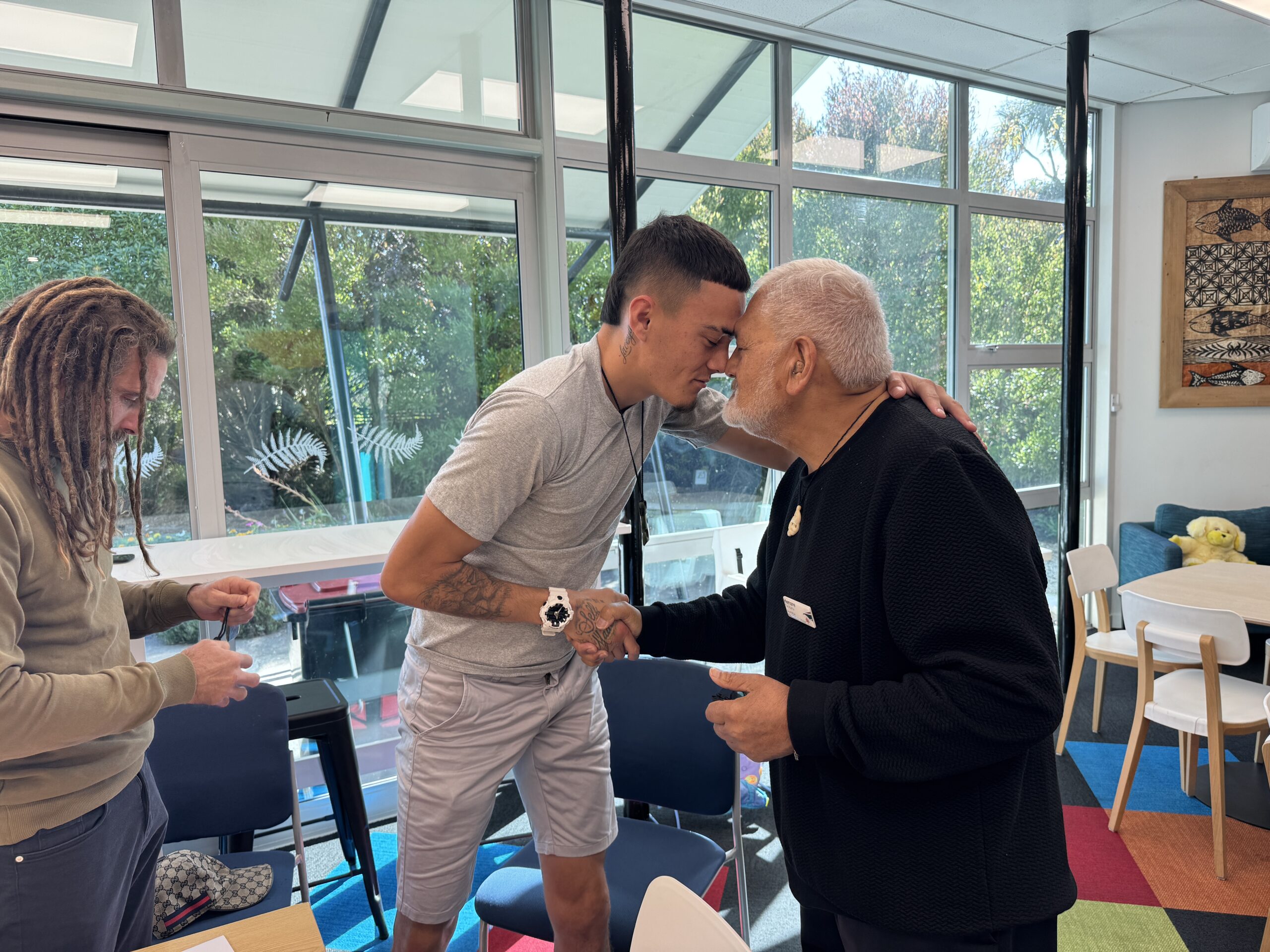
Social ROI Analysis 2025
Independent analysis of the social return on investment generated by the Waipuna reintegration programme – $15.44 for every dollar invested.